No products
To be determined Shipping
0,00 € Total
Blog Categories
Latest Posts
Whenever the term monoi is mentioned, almost naturally, a direct link is established with the beach, sun and turquoise waters. It's clumsy to reduce this oil only to the summer period, as if by magic in winter it loses all its virtues. You'll be surprised to discover just how effective this famous oil is on hair and skin in both winter and summer. That's why it's important to understand what monoi really is and what its virtues are.
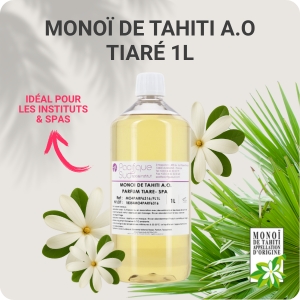
Monoï can be defined in several ways, but the most plausible is as a beauty treatment based oncopra oil extracted from coconut oil. It should be pointed out that Tiaré flowers are macerated in this coconut oil.
However, these flowers must be used immediately after harvesting. Under no circumstances should they be stored after harvesting. It's also worth noting that monoï de Tahiti is one of the few cosmetics in the world to have retained its original name. Its many virtues for both hair and skin may be one explanation.

It's the ideal oil for anyone with dry, dehydrated hair. The word may sound strong, but we'll say it anyway: it will work "miracles". Depending on whether you have fine or thick hair, the application will not be the same. For those with fine hair, it's best to apply it after shampooing. In this case, apply the oil by holding each strand of hair one after the other on the lengths. Make sure it doesn't touch the roots. Once you've done that, leave it in, then rinse.
If you have thick, very dry hair, we recommend applying monoi directly to the hair without rinsing. Alternatively, for people with very dehydrated hair, you can apply it as a mask. After shampooing, apply monoï to hair still soaked in water, and leave the mask on for a good 20 minutes.
Monoï contains fatty acids, which is why it is so nourishing. If you've been exposed to the sun for a long time, and have suffered certain burns to the epidermis, this balm will be highly effective in repairing your skin. However, its use isn't limited to the summer months - you can enjoy the benefits of monoi all year round.
Whether just out of the shower or applied to damp skin, your skin will regain its splendor. Moisture facilitates the penetration of the oil into the skin. For those of you who have certain difficulties with oils, it's not forbidden to add a layer of your cleansing milk to the skin, as this will have no impact whatsoever on thenourishing effect of monoi on the skin.
 en
en 







 Comptoir des Monoï
 Monoï Royal de Tahiti
 Reva de Tahiti
 The Tahitian Wave
 NaoNao Xtreme
 Hei Poa
 Monoï Tiki Tahiti
 Tevi Tahiti
 Tahitian Tatou
 Papeete Market Pareo
 Heïva
Heïva South Pacific Ingredients
 Vahine de Tahiti
 Ōteo
Ōteo Bora Bora Sea Salt
 Naturado in Provence
 Teahupoo
 Miss Monoi
 In the Wind of the Islands
 Comptoir des plantes polynésiennes