No products
To be determined Shipping
0,00 € Total
Blog Categories
Latest Posts
Tahitian vanilla holds a special place among the world’s finest spices. Its intense aroma, rich texture, and rarity make it a sought-after product among both chefs and connoisseurs of fine flavors. The consensus is often unanimous: it is a subtle, complex vanilla that is very different from more traditional varieties.
Grown in the demanding climate of an island, it captivates with its floral, fruity, and slightly anise-like notes. This description barely scratches the surface of its aromatic richness, as each pod reveals a unique balance of sweetness, freshness, and depth. It’s the perfect choice for adding a unique flavor to desserts and even the most creative dishes.
Here’s what you need to know: its origin, how it’s grown, its culinary uses, its quality criteria, and best practices for storing it. One important point that often comes up in reviews is that it’s best to look for an authentic product that’s been carefully selected and properly aged.
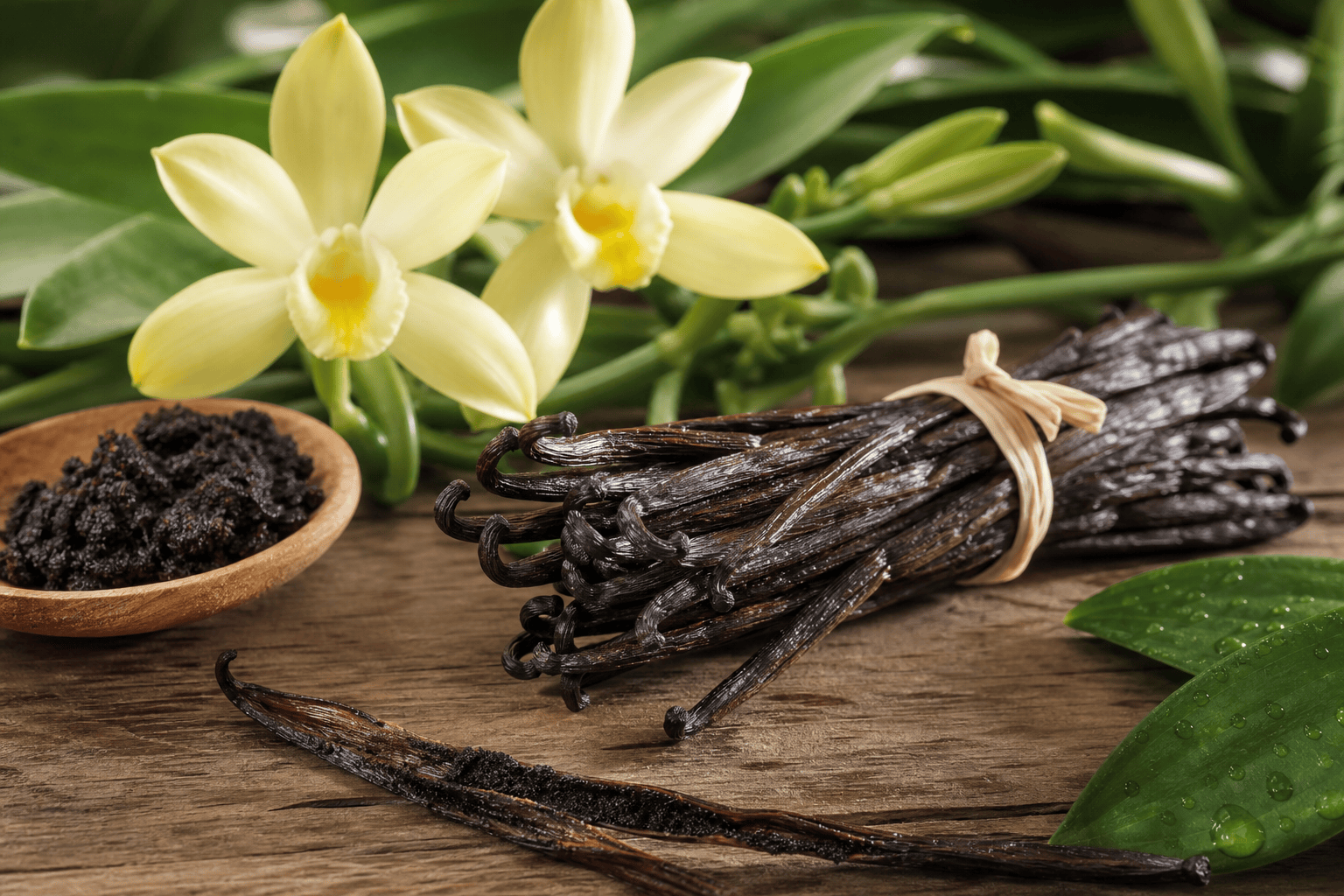
The aromatic profile of Tahitian vanilla is instantly recognizable. It features floral, anise-like, and fruity notes, and sometimes hints of caramel, prune, licorice, or almond. This aromatic profile makes it more delicate than Bourbon vanilla, with a less direct fragrance, but one that is often more refined.
Another distinctive feature is its smooth, enveloping character. On the palate, the flavor is rich, round, and lingering, yet not heavy. This explains its popularity among chefs, who use it to give their desserts an elegant, signature flavor.
Its flavor doesn't overpower the other ingredients, making it ideal for delicate dishes. It can be used in a light cream, fruit compote, or plated dessert. The result remains distinct, with a clean aroma and a lovely finish.
Reviews often highlight this subtlety: the vanilla bean It doesn't seek raw power, but complexity. That's also what sets it apart in a project designed for fine dining.
Tahitian vanilla comes from French Polynesia, where the islands provide a warm, humid growing environment. The volcanic soils, sea air, and tropical climate all contribute to the development of a product with a unique aromatic profile. The Leeward Islands—such as Raiatea, Bora Bora, and Tahaa—are often cited for their expertise.
This island origin partly explains its quality. The terroir influences the ripening process, the richness of the aromas, and the balance of the pods. Many reviews emphasize this connection between the natural environment and the final character of the product.
The Polynesian climate promotes slow growth, which helps produce tender, plump pods. These conditions give the spice a floral note and a more pronounced anise flavor. In the world of spices, this aromatic profile is particularly sought after.
Polynesia has thus built a reputation based on authenticity and rarity. For customers, this is a key factor when comparing products.
This plant is a climbing orchid that must be staked and cared for carefully. Growing it requires time, attention, and regular care. It is often propagated from cuttings, and its growth is then monitored until it blooms.
The key step remains manual pollination, often performed flower by flower. Without this process, there is no effective fertilization and, therefore, no production. This method largely explains why the product is so valuable.
This meticulous preparation requires true expertise. It determines not only the quantity harvested, but also the final quality of the fragrance.
After harvesting, each pod goes through several stages: ripening, drying, sweating, aging, and sorting. These steps are essential for stabilizing the aromas and achieving a supple texture. Improper preparation can alter the final aroma and reduce the shelf life.
Drying can be done in the sun or in the shade, depending on the producer’s practices. The goal is to preserve the internal moisture while concentrating the aroma. It is a time-consuming process, but one that is crucial to quality.
As the process continues, the pod becomes fleshier, shinier, and more supple. This transformation results in a richer, more refined product. Feedback from professionals shows that proper preparation makes all the difference.
When shopping online, a description of the production steps is often a good indicator of a company's reliability. A transparent manufacturer generally provides detailed information about its production process.
A good pod can be recognized by its suppleness, thickness, and glossy appearance. It should be plump, well-moistened, and full of seeds. A pod that is too dry or too brittle is often a sign of lower quality.
Price can help you determine whether an offer seems reasonable, but it’s not enough. You should also look for a clear origin, a precise description, and a distinct aroma when you open the package. The best pods have a lingering scent that isn’t overpowering.
When making a serious purchase, it's best to compare reviews and choose a producer who can provide reliable details about their selection.
It can be used both as an infusion and directly in recipes. Often, all you need to do is split the pod, scrape out the seeds, and then let them steep in milk, cream, or a sweetened base. You can also add a piece of the pod to a syrup or sauce.
In baking, it works well in creams, ice cream, panna cotta, rice pudding, and flans. It also pairs very well with fruit, especially dishes made with pears, mangoes, or pineapples. Its flavor enhances recipes without weighing them down.
When ordering for culinary use, it’s a good idea to check the quantity delivered and the desired preparation method. Top chefs often use it to add a more subtle aromatic signature than other products provide.
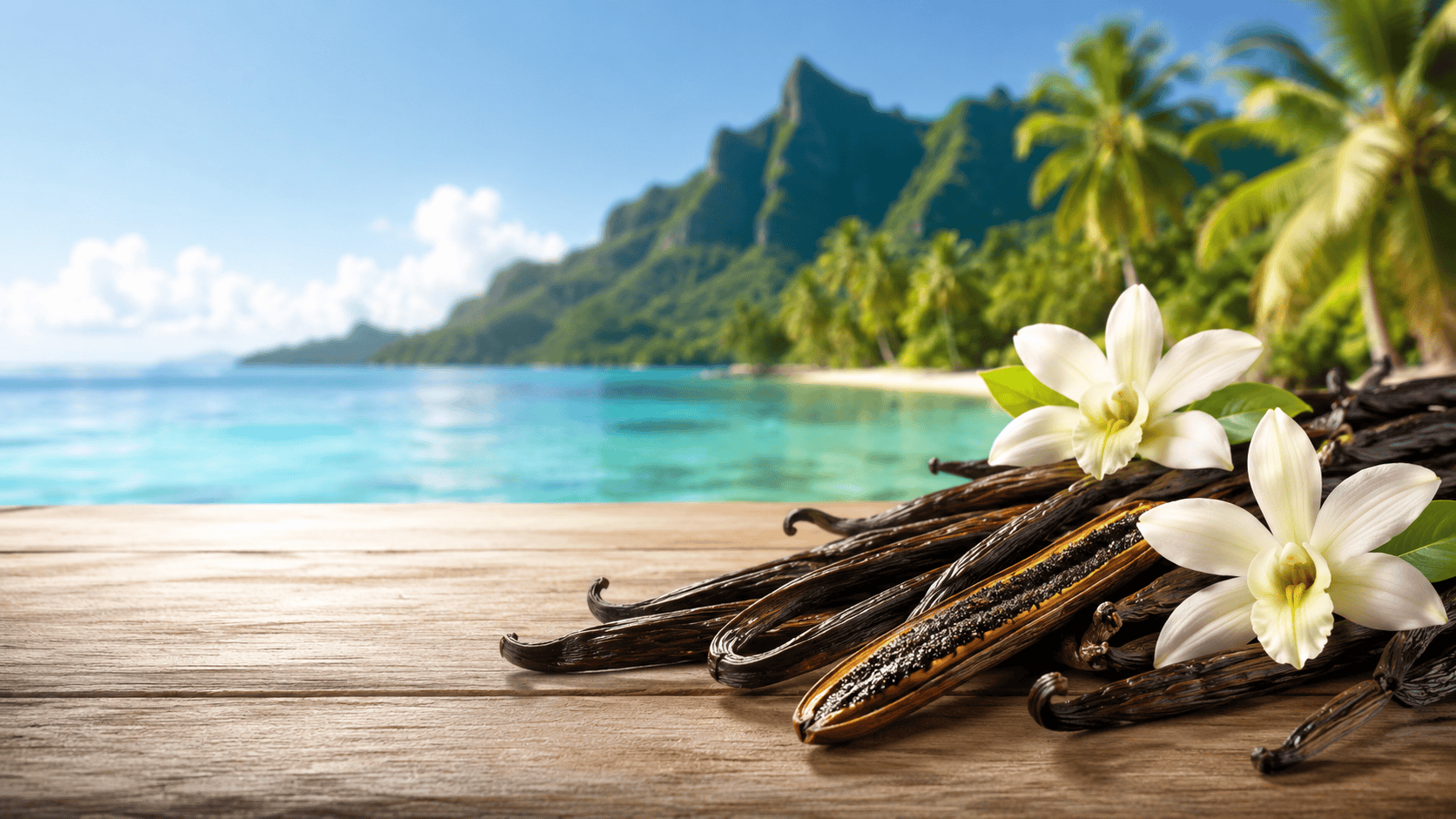
Its high price is due to its rarity, the difficulty of growing it, and the care taken at every stage. Production remains limited, while demand continues to open up new markets. As a result, the product remains prestigious and highly sought after.
Selection, drying, aging, and sorting are time-consuming processes. Each pod requires a significant amount of manual labor. This is also why reviews often highlight the excellent balance between aromatic intensity and prestige.
When compared to a more common type of vanilla, the difference lies as much in the production method as in the sensory quality. Tahitian vanilla is thus regarded as an exceptional product, ideal for customers seeking authenticity.
The most noticeable difference lies in the flavor profile. Bourbon vanilla has more traditional notes, while Tahitian vanilla offers a more floral, anise-like, and fruity aroma. Its pod is also often thicker and meatier.
Another point: it contains less vanillin, which enhances its subtle character. It is no less interesting—quite the contrary—it is simply suited to a different, more gourmet and delicate use.
When storing it, be sure to preserve its moisture and suppleness. It’s best to use a glass tube or an airtight jar, kept away from light and heat. Avoid the refrigerator and freezer, as they can alter the fragrance.
A well-preserved pod remains flexible and retains its aroma for several months. The duration depends on the initial packaging and how well it is cared for after opening. To best preserve this product, minimize exposure to air and temperature fluctuations.
Tahitian vanilla captivates with its unique character, floral aroma, and rich texture. With its Polynesian origins, hand-harvesting, meticulous preparation, and exceptional sensory qualities, it holds a special place in the world of spices. Opinions often converge on one point: it is an exceptional product.
Whether it’s for a recipe, a professional order, or a personal discovery, it deserves to be chosen carefully. By taking the time to review the origin, description, and information provided by the producer, you can find the best balance between authenticity, aroma, and quality.
 en
en 


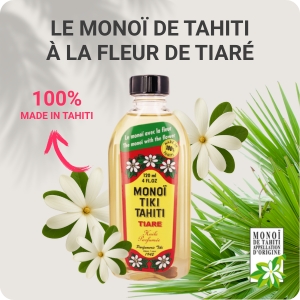

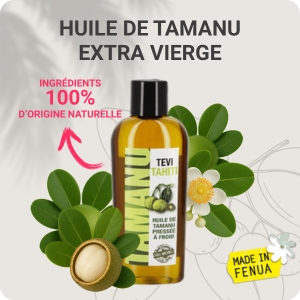
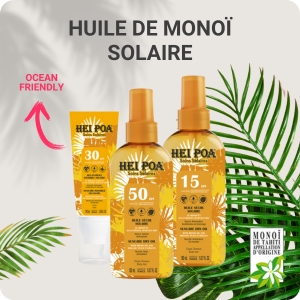

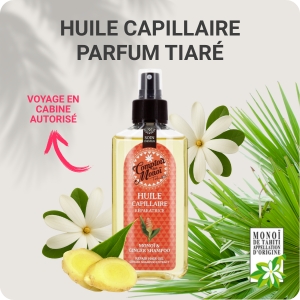

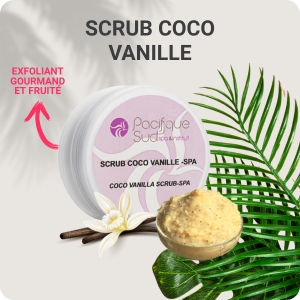
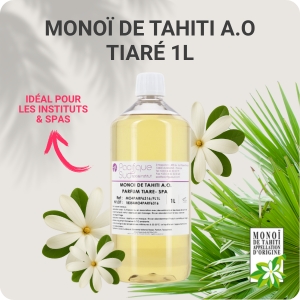

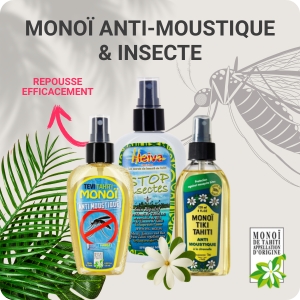

 Comptoir des Monoï
 Monoï Royal de Tahiti
 Reva de Tahiti
 The Tahitian Wave
 NaoNao Xtreme
 Hei Poa
 Monoï Tiki Tahiti
 Tevi Tahiti
 Tahitian Tatou
 Papeete Market Pareo
 Heïva
Heïva South Pacific Ingredients
 Vahine de Tahiti
 Ōteo
Ōteo Bora Bora Sea Salt
 Naturado in Provence
 Teahupoo
 Miss Monoi
 In the Wind of the Islands
 Comptoir des plantes polynésiennes