No products
To be determined Shipping
0,00 € Total
Blog Categories
Latest Posts
Monoi is a plant-based oil originating from Tahiti that is often used to nourish and protect hair. It is made from grated coconut and infused with tiare flowers. Monoi is available in beauty and hair care stores, as well as in supermarkets and pharmacies.
To use monoi on hair, simply apply it to the lengths and ends. You can leave it on overnight for an intensive treatment, or rinse it out after a few hours if you prefer. Monoi can be used on its own or combined with other plant oils such as argan oil or jojoba oil.
Often mistakenly used as a tanning oil, monoi is actually a true treatment for both hair and body. If you haven’t yet included it in your beauty routine, now is the perfect time to do so! Here is how and why to use monoi to hydrate hair.
Monoi is a natural and healthy product with real benefits for hair. It deeply nourishes while adding softness and shine. In other words, it can ideally replace most hair care products sold in supermarkets, pharmacies, or drugstores.
Another advantage is that monoi for hair alone combines three products: a daily oil, a mask, and a conditioner. There is no need to multiply hair product purchases — a single bottle of high-quality monoi is enough to treat and care for your hair.

Finally, beyond its performance on hair, monoi is also an ecological and natural product. The original recipe contains no chemical ingredients. In other words, it causes neither dependency nor unwanted effects on general health or hair. Monoi is traditionally sold in glass bottles, which are recyclable and do not harm oceans or rivers.
Monoi is a perfect treatment for dry or very dry hair. This natural oil deeply hydrates hair. Tahitian women regularly apply it without rinsing on dry hair. The benefits of monoi for hair are numerous.
Monoi oil is highly recommended to add care and shine, especially for curly and coily hair. It helps redefine curls and tame frizz. In other words, monoi is a loyal ally for anyone wanting beautiful, natural, well-defined curls.
For fine hair, monoi can be used as a conditioner. It will not weigh down your lengths but will even protect fragile hair. Simply apply it strand by strand after shampooing and leave it on for a few minutes. If possible, avoid applying it to the scalp to prevent greasiness. Then rinse thoroughly with lukewarm to warm water. After drying, hair is soft, fragrant, and above all protected.

Do you have dry or damaged hair? A mask is recommended. For very damaged hair, leave monoi on overnight before shampooing. An overnight mask deeply nourishes dull and fragile hair. For dry or dehydrated hair, apply monoi to damp hair just after shampooing. Leave on for about twenty minutes, then rinse.
It should also be noted that hair becomes more flexible and easier to style thanks to monoi’s action. It acts as a natural and effective detangler, even for very fine hair.
Monoï de Tahiti can be used both as a daily treatment and as a more intensive weekly nourishing mask. Here is how to incorporate it into your hair routine to enjoy its benefits:
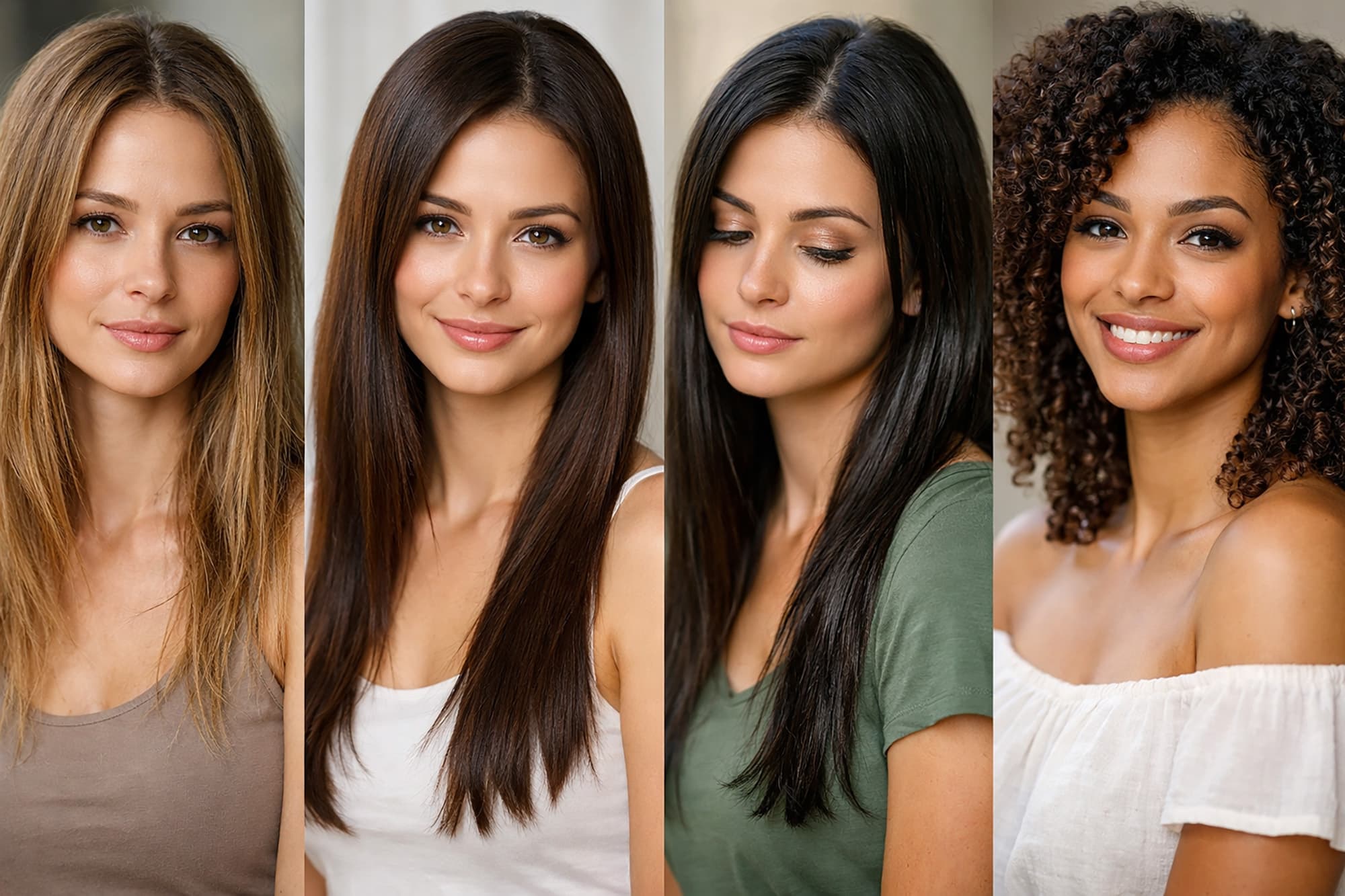
Monoi can be used safely on the hair of the entire family. Tahitian women use it on their babies from their very first days. It protects both their skin and hair. Non-allergenic, this natural moisturizing treatment can replace many cosmetic products of questionable composition.
In addition to hair, monoi can also be used on the body to hydrate the skin and protect it from wind, sand, cold, and dehydration caused by the sun.
Monoi is a plant oil produced from grated coconut and cold-pressed oil. It is commonly used in hair products for its nourishing and revitalizing properties.
Monoi deeply nourishes and hydrates hair, making it soft, flexible, and shiny. It also protects hair from external aggressions such as sun, wind, and pollution.
Additionally, monoi is rich in antioxidants, helping fight damage caused by free radicals, which are responsible for premature aging of hair and scalp.
Finally, monoi has antibacterial and antifungal properties, making it effective in treating dandruff and scalp itching.
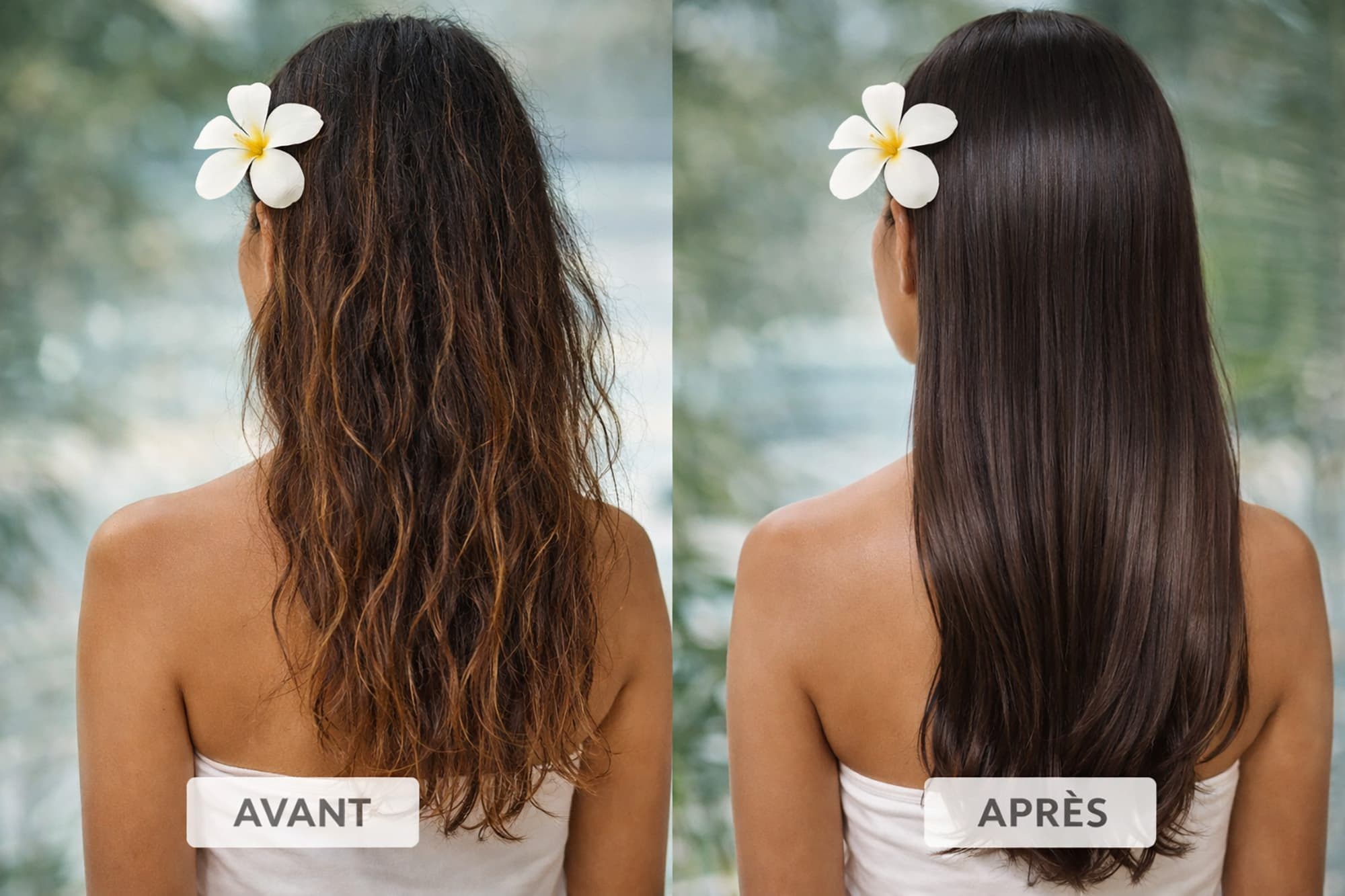
Used for centuries by Tahitian women, Monoï de Tahiti is now recognized for its comprehensive action on the hair fiber. Its benefits go beyond hydration: this traditional oil works on several levels to sustainably improve hair quality.
Thanks to this global action, monoi stands out as a versatile hair treatment suitable for dry, curly, damaged, or frequently exposed hair.
Polynesian tradition is supported by modern science. In 2016, a series of in vivo tests conducted by the Institut du Monoï demonstrated the beautifying properties of Monoï de Tahiti on hair. These studies involved 22 volunteers with damaged hair (Caucasian, Asian, and African hair types) and compared Monoï’s effects with other reference oils (coconut, macadamia, jojoba, shea, etc.).
Verdict: evaluated across five different criteria, Monoï de Tahiti significantly improves hair beauty and quality, confirming its restorative properties. Results showed that Monoï outperformed macadamia oil in terms of shine and made hair smoother than shea butter. Additionally, 70% of volunteers noticed a clear improvement in their hair condition. Ends were less dry for 80% of participants and less split for 67%. Microscopic observation revealed a smoother and more uniform hair fiber after treatment.
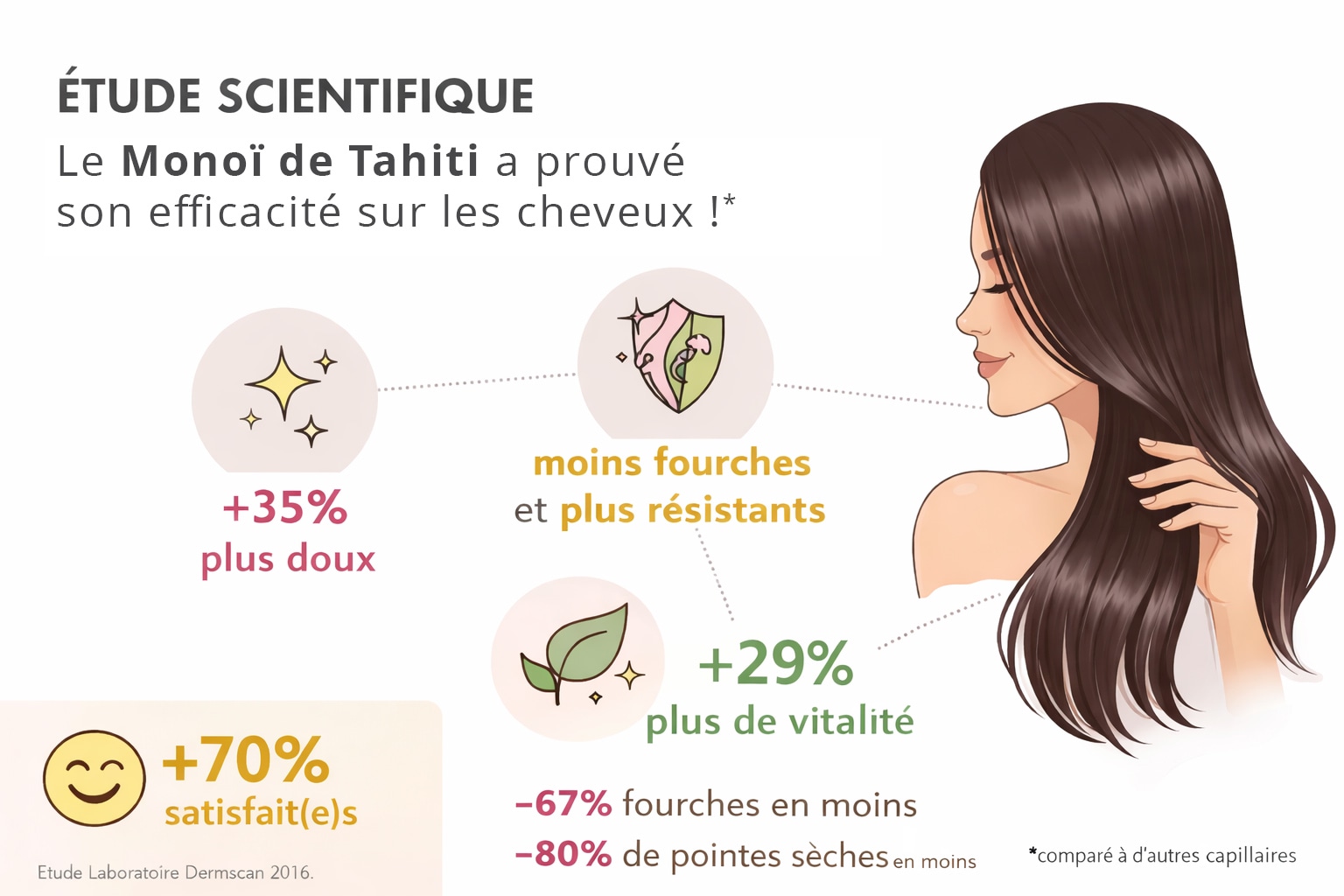
You can consult the detailed results of these studies by clicking here.
Applying monoi to hair helps protect it from external aggressions while nourishing and hydrating it. It is important to massage the product well into the scalp and lengths to maximize its effects. Leave monoi on for a few minutes before rinsing with lukewarm water to prevent hair from becoming greasy.
Monoï de Tahiti is a natural product made from coconuts. It has traditionally been used to nourish and protect the hair of Tahitian people.
Today, monoi is increasingly used in cosmetics because it is very effective for hair. However, some precautions should be taken when using it.
First, it is important to carefully choose the monoi you use. Many brands exist on the market, and not all are equal in quality. Make sure the monoi you buy is 100% natural and does not contain essential oils or colorants.
Before applying monoi to your hair, perform a patch test on a small area of skin to ensure you are not allergic.
Then apply monoi to your hair while massaging the scalp thoroughly. Leave it on for 30 minutes, then rinse thoroughly with lukewarm water.
You can apply monoi daily if you wish, but it is important not to overuse it as it may dry out hair.
Finally, remember to rinse Monoï de Tahiti from your hair before sun exposure. Coconut oil may intensify UV effects and increase the risk of sunburn.
Yes, monoi can be used on hair every day. Monoi is a natural product that does not contain harmful chemicals. In addition, monoi nourishes and hydrates hair, making it stronger and more flexible.
Expert insight! In the video below, Vaitea from the Association of Monoï de Tahiti Producers explains how she uses Monoï daily to enhance Polynesian hair.
Monoi is a traditional Tahitian oil made from coconut and tiare, a fragrant flower. It is known for its many beneficial properties for both skin and hair. It helps protect hair from damage caused by sun, humidity, and chemicals while nourishing and hydrating it, leaving hair softer and shinier.
 en
en 




 Comptoir des Monoï
 Monoï Royal de Tahiti
 Reva de Tahiti
 The Tahitian Wave
 NaoNao Xtreme
 Hei Poa
 Monoï Tiki Tahiti
 Tevi Tahiti
 Tahitian Tatou
 Papeete Market Pareo
 Heïva
Heïva South Pacific Ingredients
 Vahine de Tahiti
 Ōteo
Ōteo Bora Bora Sea Salt
 Naturado in Provence
 Teahupoo
 Miss Monoi
 In the Wind of the Islands
 Comptoir des plantes polynésiennes