No products
To be determined Shipping
0,00 € Total
Blog Categories
Latest Posts
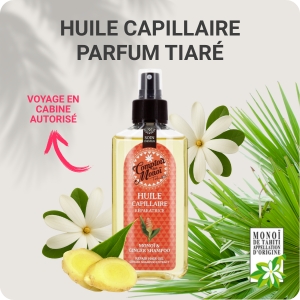
Monoi and monoi oil are two different things! You don't know the difference between these two products? Don't worry, we'll explain it all in this article! We'll explain the differences between monoï and monoï oil, so that you don't get confused again.
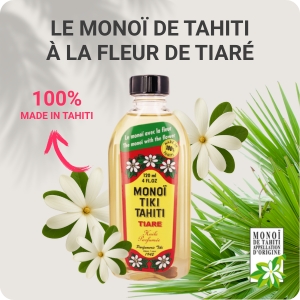
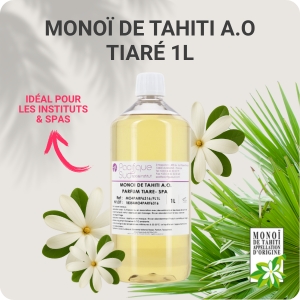
In Tahiti, monoï is simply a beauty product that is used in its purest form. Monoï is made from the maceration of Tiaré flowers, found in Tahiti. However, it's also important to know that monoï simply means that it contains no less than 90% Appellation d'Origine monoï. In other words, you'll have a very pure monoï that you can easily use as usual. Monoï is widely used in Europe as a tanning oil. But while it can really help you get some color, it's important to note that your monoi won't protect you from ultraviolet rays.

It's very important to distinguish between monoï and monoi oil. And the first difference we can tell you is that monoi oil contains only 50% monoi. In other words, it's not a pure product: it's actually mixed with other ingredients. And he blends monoi oil with other vegetable oils for two very different reasons:
Nevertheless, it's important to note that monoi oil has a considerable advantage over pure monoi: it sets less! In fact, in cooler weather, monoi can congeal. You won't have this problem at all with monoi oil. As you can see, the difference between monoi and monoi oil is quite subtle. In fact, it's very important to note this, as it's easy to get confused! However, if you live in a cooler region, we really recommend that you opt for monoi oil instead.
 en
en 




 Comptoir des Monoï
 Monoï Royal de Tahiti
 Reva de Tahiti
 The Tahitian Wave
 NaoNao Xtreme
 Hei Poa
 Monoï Tiki Tahiti
 Tevi Tahiti
 Tahitian Tatou
 Papeete Market Pareo
 Heïva
Heïva South Pacific Ingredients
 Vahine de Tahiti
 Ōteo
Ōteo Bora Bora Sea Salt
 Naturado in Provence
 Teahupoo
 Miss Monoi
 In the Wind of the Islands
 Comptoir des plantes polynésiennes